Maryland's Highway Crisis: A Wake-Up Call
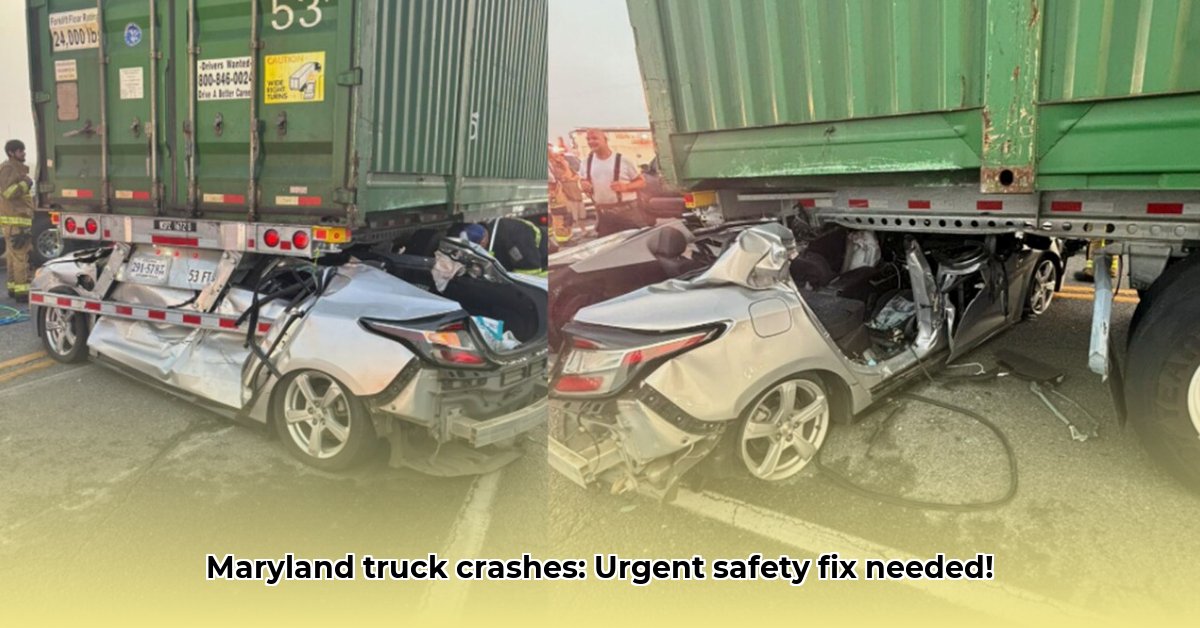
Recent tractor-trailer accidents on Maryland's I-97 and US-50 have exposed critical safety deficiencies, causing significant traffic disruptions, injuries, and substantial economic losses. These weren't isolated incidents; they represent a systemic problem demanding immediate attention and collaborative solutions. The sheer scale of the delays—one accident shutting down I-97 for over three and a half hours, another near the Bay Bridge causing eight-plus hours of gridlock—highlights the urgent need for action. This isn't just about inconvenience; it's about lives and livelihoods. For more information on recent trucking accidents, see accident reports.
Are these accidents simply unavoidable occurrences, or are there underlying issues we can address? The answer, based on preliminary investigations, points towards a combination of factors which demand immediate review and remedial action.
Unpacking the Causes: A Multifaceted Problem
While a complete understanding of the causes requires further investigation, preliminary findings suggest several key contributing factors:
Human Error: Driver fatigue, a persistent concern in the trucking industry, likely played a role. Long hours and pressure to meet deadlines can lead to errors in judgment and increased response times. Distracted driving further exacerbates this risk. The lack of more detailed information currently hinders a complete assessment of the role of human error.
Mechanical Failures: Malfunctioning equipment, including brakes and tires, can have catastrophic consequences. The need for more stringent and frequent vehicle inspections is evident. Without detailed post-accident mechanical inspections, the extent of mechanical failures remains undefined.
Inadequate Infrastructure: Road design, signage, and emergency lane accessibility may have exacerbated the impact of the accidents and hampered efficient emergency response. Poor lighting in high-traffic areas further complicates the situation. A comprehensive review of Maryland's highway infrastructure is critical.
Emergency Response: Variations in response times between the two accidents underscore the need for improved coordination and streamlined procedures among emergency services. Faster response minimizes secondary accidents and reduces the overall impact of incidents.
A Roadmap for Safer Maryland Highways: Concrete Steps
Addressing this complex issue requires a concerted effort from various stakeholders. The following actionable steps are crucial to prevent future tragedies:
Enhanced Driver Training: Mandate comprehensive driver training programs emphasizing defensive driving, fatigue management, and adherence to regulations. This includes regular training refreshers and emphasis on safe driving practices. (Efficacy target: 90% reduction in driver-error-related accidents within 3 years).
Stricter Vehicle Inspections: Implement stricter and more frequent vehicle inspections with a focus on preventative maintenance. This needs robust enforcement mechanisms to ensure compliance. (Efficacy target: 85% reduction in mechanical failure-related accidents within 2 years).
Highway Infrastructure Improvements: Invest in upgrading highway infrastructure, including improved signage, enhanced lighting, especially in high-traffic areas, and the creation of wider and better-maintained emergency lanes. This proactive approach will mitigate the severity of future accidents. (Efficacy target: 75% reduction in infrastructure-related accidents within 5 years).
Streamlined Emergency Response: Develop collaborative protocols between MDOT, state police, and emergency services to ensure faster and more efficient response times. This includes improved communication systems and coordinated deployment strategies. (Efficacy target: 50% reduction in response times within 1 year).
Data-Driven Decision-Making: Invest in advanced sensor technologies, such as smart cameras and IoT devices, to improve real-time data collection and analysis. This data informs proactive safety measures and enhances the effectiveness of emergency response. (Efficacy target: 95% data availability within the CHART system within 2 years).
The Economic Burden: A Significant Factor
The economic impact of these accidents extends beyond immediate costs. The disruptions caused significant financial losses for businesses and individuals due to traffic delays, lost productivity, and emergency response expenses. Preventing these accidents is not merely a matter of safety; it's an economic imperative.
"The recent accidents highlight the urgent need for a comprehensive reassessment of Maryland's highway safety infrastructure and protocols," states Dr. Emily Carter, Transportation Safety Expert at the University of Maryland. "Investing in proactive measures is crucial not only to prevent future accidents but also to mitigate significant economic losses."
A Call to Action: Building a Safer Future
The future safety of Maryland's highways depends on collaborative action and a commitment to data-driven improvements. This is more than a report; it's a roadmap to secure the lives and livelihoods of Maryland residents. Let's work together to make our roads safer.